Editorial team ·
Record differing views from a public meeting without inventing a vote
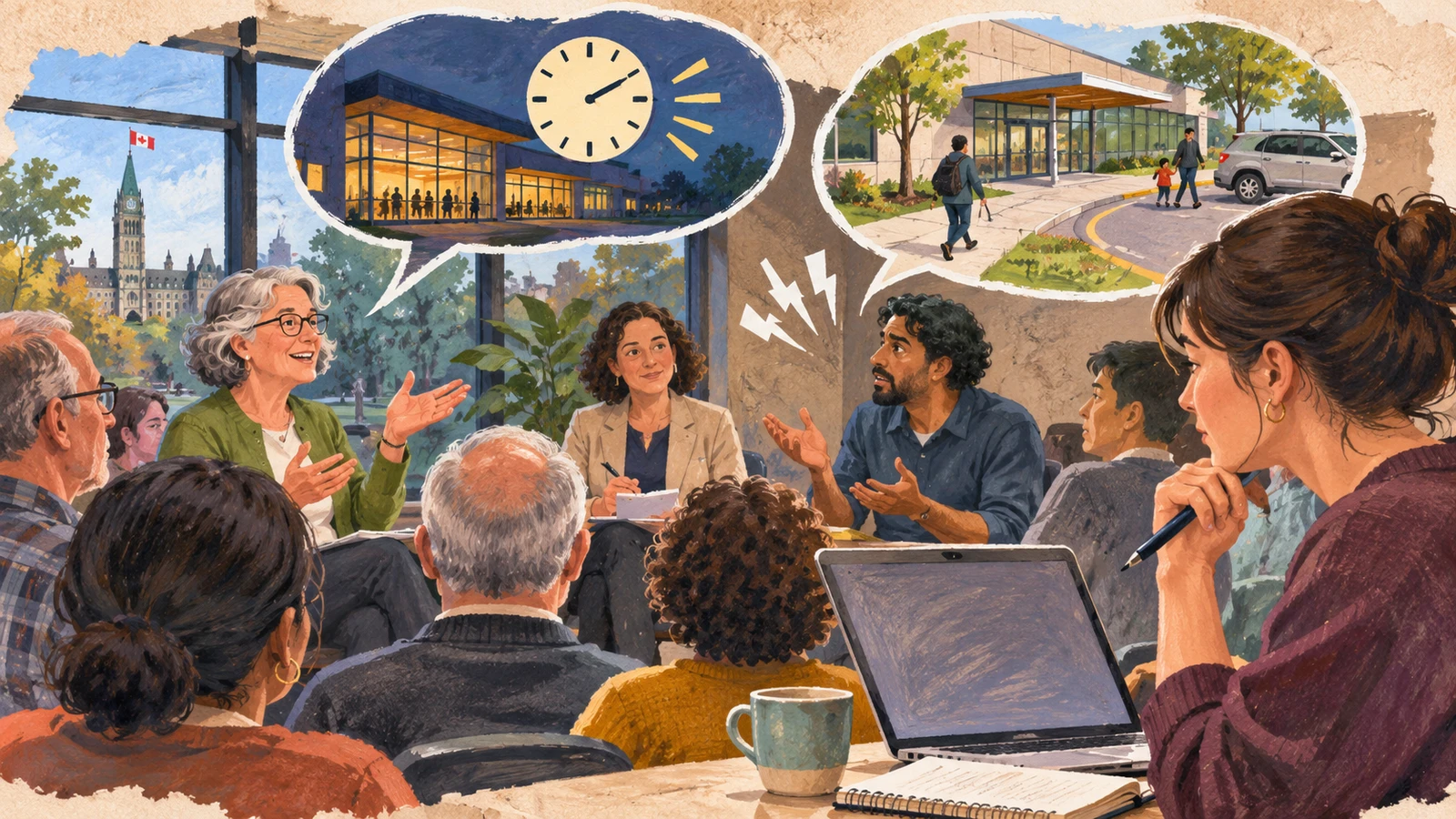
One speaker welcomes a later closing time. The next is worried about noise. Your notes say there was a lively discussion, but the meeting did not take a vote. A useful record preserves those differences without calling one speaker the voice of the room.
Summarize what each comment was about
In the fictional meeting, people discuss operating hours and the proposed entrance separately. Some support one hour change while questioning the approach. Giving both topics a place makes the notes more useful than putting everyone under for or against.
Use precise wording when counting. “Three speakers raised noise concerns during the recorded discussion” applies if the note supports it. That number does not describe how common the view was outside the meeting.
If the transcript or summary is public, cite the relevant part. Use names only where appropriate for the published record and avoid including personal details that add nothing to the issue.
Finish with what happened next. If the organizer agreed to bring another option to a later meeting, record that action and its date. Leave a final decision open if none was taken.
| Topic | Views recorded | Next step |
|---|---|---|
| Hours | Support for a later close and concerns about noise | Check for a revised proposal |
| Entrance | Questions about walking and pickup routes | Organizer to provide a route map |
| Decision | No vote in the example | Check a later official record |
Questions and answers
- Should I write that the room was divided?
- Describe the recorded views and whether any votes or counts were taken.
- Can one quote represent everyone?
- Use a quote for the speaker’s own view, with suitable context and attribution.
- Do unanswered questions go in the record?
- Yes. Mark them as open and give the stated follow-up if there is one.
Keep a formal decision in its own line
- Organize the notes by issue
- Keep more than one view visible.
- Use counts only when the record supports them.
- Check the ending
- Find any agreed next action.
- Link a decision separately if one is published.